
Medicare Reimbursement for Doctors is in Critical Condition
Doctor’s offices are the front door of the American healthcare system. We owe it to them to support H.R. 2474 and put an end to annual Congressional stop-gap spending bills.
Doctor’s offices are the front door of the American healthcare system. We owe it to them to support H.R. 2474 and put an end to annual Congressional stop-gap spending bills.

Over the past decade, a significant percentage of the country’s physicians have shifted from working in private practices (defined as those owned wholly by physicians) to working in bigger, health system-owned practices. The ability to negotiate higher payment rates with insurers when working at a larger practice is a crucial factor causing this trend, according to a new AMA analysis.


We have the opportunity to design systems that give people greater capacity for the work where human presence matters most: listening, understanding, reassuring, deciding, and caring.
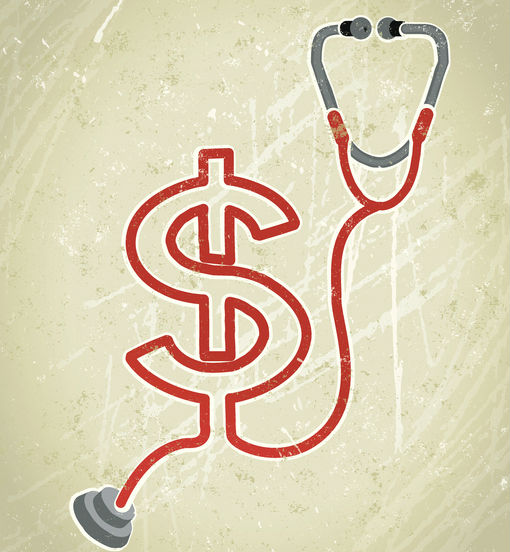
As MIPS and other performance-based payment programs evolve, providers eventually will be on the hook to cut checks if they can't perform. Individual providers must act now to stay on top of the distribution curve.

These numbers compare to 2017, when 20.9 million pills and $301.1 million were lost because of drug diversion, according to an analysis by data analytics company Protenus.

Of the doctors polled on physician social network SERMO, only 53 percent believe that the private practice model will survive the next decade.
Recently, I was reading that it is predicted that over the next 5 years, only 30% of doctors will stay in private practice. Increasingly, doctors are retiring early or selling their practices to hospitals or other entities. The pressure of successfully running a practice these days has grown precipitately over the past few years. […]


Discover the top AI-powered EAP providers for 2026. Compare platforms like Kyan Health and Spring Health on triage speed, global reach, and clinical quality to transform workforce wellbeing.
The U.S. health care industry has evolved and changed rapidly over the past several decades. This evolution took place in response to a number of environmental influences including, technological advances, demographic shifts, and economic and political changes.